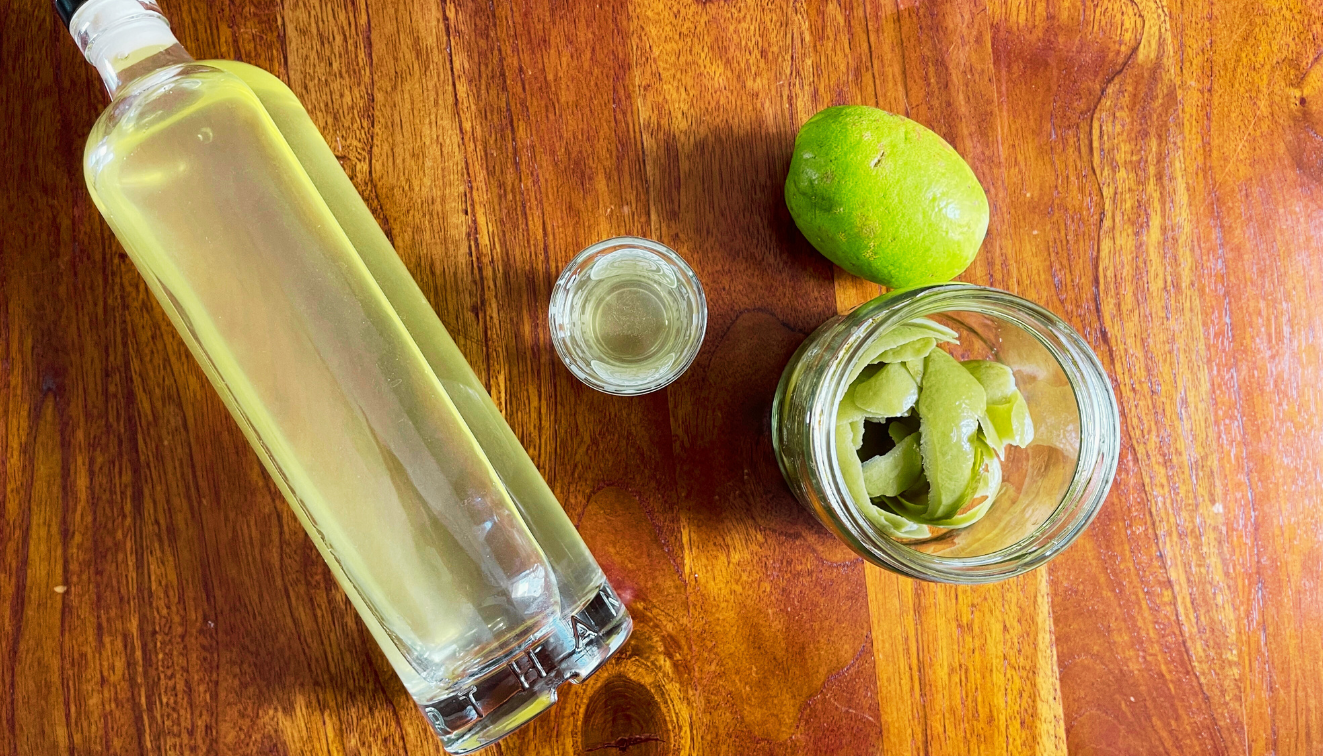
Limoncello, a vibrant lemon liqueur, boasts a rich history intertwined with Italian tradition. Originating in the early 20th century, Limoncello’s roots are most strongly associated with the Amalfi Coast, particularly the regions of Sorrento, Capri, and the Gulf of Naples. Though various families and regions claim its invention, Limoncello remains a beloved symbol of southern Italian heritage. Historically, it was crafted by local households using locally grown lemons, celebrated for their aromatic zest and vibrant flavour.
Limoncello production is deeply connected to its geographical origin. The unique microclimate of the Amalfi Coast, characterised by mild winters and warm summers, provides ideal growing conditions for the specific varieties of lemons used, such as the Sorrento or Femminello St. Teresa lemons. These regions are renowned for their terraced lemon groves, where the fruit’s high essential oil content yields a distinctly aromatic liqueur.
What you will need:

| Ingredient | Measure |
| Alcohol (95% ABV, if available) | 250ml |
| Fresh Lemon | 4-6 |
| Caster Sugar | 200g |
| Water | 750ml |
Time Required
Active Preparation: 30 minutes
Infusion Time: 2-4 weeks
Aging Time: 1 month
Nutritional Value
Limoncello is a high-calorie beverage primarily due to its sugar content.
Below is a typical nutritional profile per 100 ml:
Calories: 250 kcal
Carbohydrates: 30 g
Sugars: 28 g
Alcohol: 30-35% by volume
Equipments:
- Vegetable peeler
- Large glass jar with a tight-fitting lid
- Fine mesh strainer
- Large saucepan
- Glass bottles for storage
- Measuring scale
- Spatula for mixing
Instructions:
Prepare the lemons
- Wash the lemon well and dry them.
- Use a vegetable peeler to remove the zest from the lemons, avoiding the white pith.

Infuse with Alcohol
- Place the lemon zest in a large glass jar and pour the alcohol over the zest.
- Seal the jar and let it infuse for 2-4 weeks in a cool, dark place.
- Shake the jar gently every few days.


Prepare the Syrup
- Combine water and sugar in a large saucepan.
- Heat until the sugar dissolves completely, then let it cool to room temperature.

Combine
- Strain the lemon-infused alcohol through a fine mesh strainer into a large bowl, discarding the zest.
- Combine the infused alcohol with the simple syrup.

Bottle and Age
- Pour the mixture into glass bottles, seal them tightly.
- Let the Limoncello age for at least one month in a cool, dark place before serving.

In contemporary cuisine, Limoncello has transcended its traditional role to inspire various culinary innovations. It is now used in desserts such as Limoncello tiramisu, cakes, and gelato.
Chefs and mixologists incorporate it into sauces, marinades, and cocktails, broadening its culinary applications. The rise of artisanal and small-batch Limoncello production has also fostered a renewed appreciation for quality and traditional methods.
My Tips:
- Choosing Lemons: Use only untreated, organic lemons to avoid chemicals and pesticides.
- Peeling: Peel the lemons carefully to avoid the white pith, which adds bitterness.
- Infusion: Store the jar in a cool, dark place to prevent the degradation of essential oils.
- Aging: Allow the final mixture to age for at least one month to enhance flavor integration.
- Alcohol: Vodka (50% ABV) can be used if pure alcohol is unavailable, though the flavor might be milder.
- Sweeteners: Substitute sugar with honey or agave syrup for a different sweetness profile.
Troubleshooting Guide:
Bitterness
Ensure no white pith is included with the lemon zest.
Cloudiness
Use filtered water and ensure the sugar is fully dissolved in the simple syrup.
Weak Flavour
Increase the infusion time or use more lemon zest for a stronger lemon flavour.
Don’t forget to share your results and tag @bake.hows on instagram
