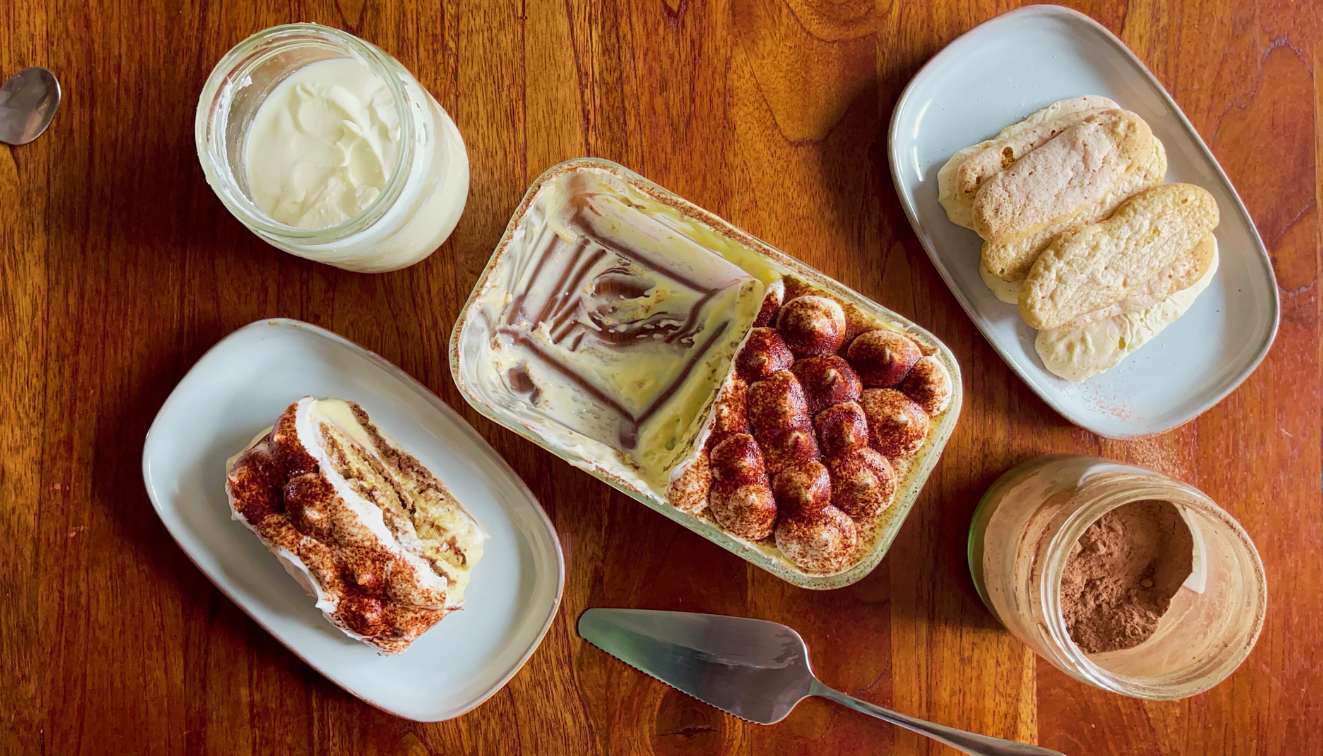
Tiramisu, an iconic Italian dessert, is relatively modern in the pantheon of classic Italian cuisine. While Tiramisu is enjoyed worldwide, it holds a special place in Italian culinary tradition. The dessert has spread from Italy to become a staple in restaurants globally, often appearing in various adaptations and forms. Despite its global presence, traditional Tiramisu remains deeply rooted in Italian culture and gastronomy.
Its origins are debated, with several regions of Italy, such as Veneto, Friuli Venezia Giulia, Piedmont, and Tuscany, claiming its creation. The most widely accepted story traces Tiramisu to the Veneto region in the 1960s, particularly to the restaurant Le Beccherie in Treviso. The name “Tiramisu” translates to “pick me up” or “cheer me up” in Italian, a nod to its invigorating ingredients like coffee and cocoa.
Traditional Tiramisu is a layered dessert made with ladyfinger biscuits (savoiardi), which are dipped in coffee and layered with a mixture of mascarpone cheese, eggs, and sugar. It is then dusted with cocoa powder. The original recipe does not include alcohol, but variations often add Marsala wine or coffee liqueur.
What you will need:

| Ingredient | Measure |
| Egg Yolks | 4 |
| Mascarpone Cheese | 220 g |
| Heavy Cream | 200 g |
| Caster sugar | 80g |
| Savoiardi (ladyfingers) | 12-15 |
| Cacao powder (Unsweetened) | 20 g |
| Vanilla essence | 1 tsp |
| Fresh Espresso | 200 – 300 ml |
| Marsala wine or Coffee liqueur | 30-50 ml |
| Dark chocolate shavings | For garnish |
Time Required
Preparation time – 30 minutes
Chilling time – 4 – 8 hours
Nutritional Value
Traditional Tiramisu is rich in calories due to its high fat and sugar content. A typical serving (about 150 grams) can contain:
Calories: Approximately 300-400 kcal
Fat: 20-25 g
Carbohydrates: 30-40 g
Protein: 5-7 g
Equipments:
- Mixing bowls
- Electric mixer
- Spatula
- Shallow dish (for dipping ladyfingers)
- Rectangular dish (approximately 20×30 cm)
- Fine-mesh sieve (for dusting cocoa powder)
- Food measuring scale and spoons
Instructions:
Prepare the coffee mixture (Optional)
- In a shallow dish, combine the cooled coffee and Marsala wine (or coffee liqueur). Set aside.
Prepare the cream:
- In a mixing bowl, beat the egg yolks and half of the sugar until pale and creamy.
- In a separate bowl, beat heavy cream with the remaining sugar until it forms soft peaks.
- Combine the mascarpone cheese with the egg yolk and beat until smooth and well combined.

- Gently fold the whipped heavy cream into the mascarpone mixture until fully incorporated, taking care not to deflate the mixture.
- Add a splash of vanilla and mix well.


Assemble the Layers:
- Quickly dip each ladyfinger into the coffee mixture, ensuring they are soaked but not soggy.
- Arrange a layer of soaked ladyfingers in the bottom of the baking dish.
- Spread half of the mascarpone mixture over the ladyfingers.
- Repeat with another layer of soaked ladyfingers and the remaining mascarpone mixture.


Chill and Serve
- Cover the dish with plastic wrap and refrigerate for at least 4 hours, preferably overnight, to allow the flavours to meld and the dessert to set.
- Before serving, dust the top with unsweetened cocoa powder using a fine-mesh sieve.
- Optionally, garnish with dark chocolate shavings.

Alternate Approach
In some of the recipes, egg whites are also used. In the case of egg whites, you can beat them to soft peaks and gently add them to the mascarpone. You can skip the heavy cream in this case.
If you are not a fan of raw egg yolks in the recipe,
- In a heatproof bowl, whisk together the egg yolks and 1/2 cup (100g) of the sugar.
- Place the bowl over a pot of simmering water (double boiler method), ensuring the bottom of the bowl does not touch the water.
- Whisk constantly until the mixture becomes thick, pale, and reaches a safe temperature (around 160°F or 70°C) to pasteurize the yolks.
- Remove from heat and let it cool slightly, then fold in the chilled mascarpone cheese until smooth.
Tiramisu can be served in elegant glass cups for individual portions, garnished with chocolate shavings or fresh berries for added colour and flavour.

Tiramisu’s journey from a humble Italian dessert to a global favorite highlights its timeless appeal. By understanding its traditional roots and embracing modern twists, one can appreciate the cultural significance and culinary versatility of this beloved dessert. Enjoy making and savoring this classic Tiramisu, a true embodiment of Italian indulgence.
My Tips:
- Egg Safety: Ensure the eggs are fresh and from a reputable source, as the recipe uses raw eggs. Alternatively, pasteurised eggs can be used.
- Mascarpone Substitution: If mascarpone is unavailable, a mix of cream cheese and heavy cream can be used as a substitute.
- Alcohol-Free Option: Replace the Marsala wine or coffee liqueur with additional coffee for an alcohol-free version.
- When layering the tiramisu, dip the ladyfingers quickly into the coffee mixture. A brief dunk ensures they absorb the coffee without becoming too soggy.
- Tiramisu tastes best when it has had ample time to chill in the refrigerator. Aim for at least 4 hours, but overnight is ideal.

Troubleshooting Guide:
Soggy Ladyfingers
Quickly dip ladyfingers in coffee to prevent them from becoming overly saturated.
Runny Cream Mixture
Ensure to use properly drained mascarpone cheese to maintain cream consistency.
Grainy Texture
Make sure the sugar is fully dissolved in the egg yolk mixture for a smooth texture.
Tiramisu is a delightful dessert that marries simplicity with sophistication. By following these detailed steps and tips, you can create a classic Italian tiramisu that will impress and satisfy every palate.
Don’t forget to share your results and tag @bake.hows on instagram
