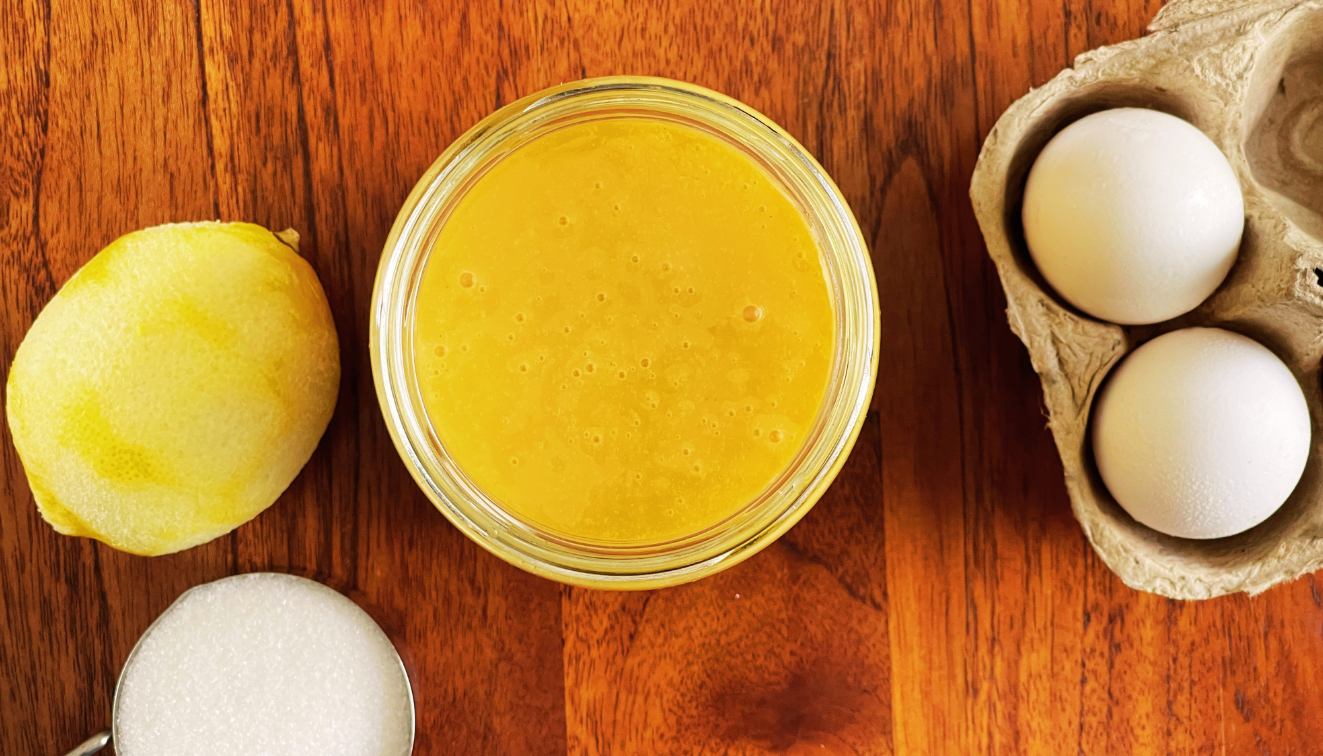
Lemon curd is a traditional English spread and dessert topping that dates back to the early 19th century. It originated as a lemon-flavored custard, initially made with lemon juice, sugar, and egg yolks, then strained through a cloth to separate the curd from the whey. Lemon curd became popular as an accompaniment to scones and tea cakes, especially during afternoon tea, a quintessential British tradition.
In the 20th century, lemon curd became widely available commercially, making it easier for people to enjoy without the need for homemade preparation. It also started to appear in cookbooks, further cementing its place in both everyday and special-occasion cooking. The development of home canning techniques allowed lemon curd to be stored for longer periods, contributing to its widespread use.
Over time, lemon curd has evolved into a smooth, thick spread, more akin to a preserve. It is commonly used as a filling for tarts, cakes, and pastries, and as a spread for toast and scones. The zesty, tangy flavour of lemon curd, combined with its rich, creamy texture, has made it a favourite in many parts of the world.
What you will need:

| Ingredient | Measure |
| Lemon Zest | 25g |
| Lemon Juice | 250ml |
| Egg yolks | 6-7 |
| Caster Sugar | 150g |
| Unsalted Butter | 80g |
| Vanilla essence | 1/2 tsp |
Time Required
Total Time: 45-50 minutes
Preparation Time: 30 minutes
Cooking Time: 15-20 minutes
Estimated Calories and Yield
Calories / 100g: 272kcal
Total yield: 500ml
Equipments:
- Saucepan
- Zester
- Heatproof bowl
- Double Boiler Setup
- Whisk
- Fine-mesh sieve
- Spatula
- Glass jars with lids
- Measuring scale and spoons
Instructions:
Prepare Ingredients:
- Zest the lemons and juice them.
- Cut the butter into small pieces.

Combine Ingredients:
- Combine the lemon zest with the sugar by pulsing them together in a food processor.
- Combine the zested sugar with the egg yolks.
- In a saucepan, combine lemon juice to the zested sugar-yolk mixture.


Cooking the Curd:
- Place the saucepan over the double boiler setup.
- Cook the mixture whisking constantly to prevent any curdling.
- Continue to cook over medium-low heat (75-80°C), stirring constantly, until the mixture starts to thicken.
- Add the cold butter and cook until it coats the back of a spoon (about 10-15 minutes). Do not let it boil.


Strain and Store:
- Remove from heat and pour the lemon curd through a fine mesh strainer into a heatproof bowl to remove any cooked egg bits or zest.
- Allow to cool slightly before transferring to sterilised jars.
- Store in the refrigerator for up to 2 weeks.

Serving suggestions
- Spread on Toast or Scones: Enjoy on toast or scones for a zesty breakfast or afternoon tea.
- Tart Filling: Fill tart shells and top with berries or meringue.
- Cake Filling: Use as a layer in cakes or inside cupcakes.
- Crepe and Pancake Spread: Spread inside crepes or over pancakes.
- Cheesecake Topping: Spoon over cheesecakes for a citrusy finish.
- Yogurt and Ice Cream Swirl: Mix into yogurt or top vanilla ice cream.
- Parfait Layers: Layer with yogurt, granola, and berries.
- Trifle Component: Incorporate into trifles with cake, fruit, and cream.
- Salad Dressing: Mix with olive oil and mustard for a salad dressing.
- Meat Glaze: Glaze grilled chicken, fish, or shrimp.
- Sandwich Spread: Add to sandwiches with smoked salmon and cream cheese.
- Cheese Pairing: Serve with soft and aged cheeses.
- Cocktail Ingredient: Shake with vodka or gin for a cocktail.
- Mocktail Mixer: Mix with soda water and lime juice.
- Baking Flavour: Swirl into muffin or brownie batter.
- Marinade Base: Combine with garlic and soy sauce for marinades.
- Fruit Pairing: Pair with tropical fruits like mango.
While lemon curd remains a quintessentially British treat, its popularity has spread internationally. It is now enjoyed in various forms and recipes around the world. In the United States, lemon curd is often used in pies and desserts, while in Australia and New Zealand, it is a common filling for sponge cakes and tarts.
My Tips:
- Fresh lemon juice provides the best flavor. Avoid bottled lemon juice.
- Keep the heat moderate and stir constantly to prevent the eggs from curdling.
- Straining the curd ensures a silky-smooth consistency by removing any bits of cooked egg or zest.
- Experiment with adding herbs like thyme or rosemary for a sophisticated twist.
- Use natural sweeteners and dairy-free butter alternatives to create a healthier version.
Troubleshooting Guide:
Mixture starts to curdle
If the mixture starts to curdle, immediately remove it from heat and whisk vigorously. Strain through a fine mesh sieve to remove any lumps.
Thickening issue
If the curd isn’t thickening, ensure you are cooking it over medium-low heat and stirring constantly. It should reach a temperature of about 75°C to 80°C.
Don’t forget to share your results and tag @bake.hows on instagram
