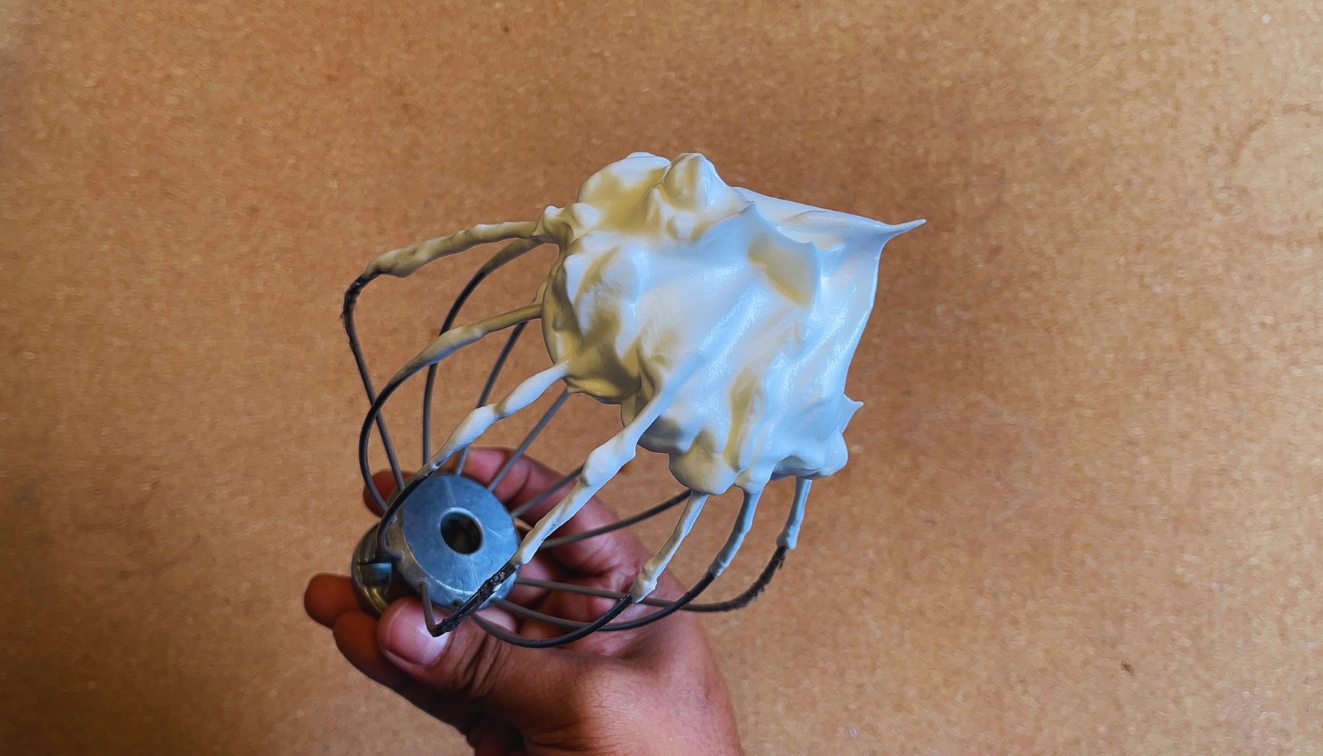
Swiss meringue is a fundamental building block in the world of pastry, known for its silky smooth texture, stability, and versatile applications. This meringue style is cooked over a bain-marie (double boiler) before whipping, giving it a unique structure and shine compared to French or Italian meringue. It’s particularly favored in professional pastry kitchens for buttercream bases, decorative toppings, and fillings due to its stability and resilience.
Swiss meringue, as its name suggests, is believed to have originated in Switzerland, though the exact historical details are somewhat debated among culinary historians. Meringue itself, in its broadest form, is thought to have originated in Europe, and early recipes date back to the late 17th century. Some sources attribute its invention to a Swiss pastry chef named Gasparini from the town of Meiringen, in the Bernese Oberland region of Switzerland, around the late 1600s. However, others suggest that meringue techniques were developed concurrently across European pastry traditions, particularly in France and Italy.
Because the sugar and egg whites are gently heated together before whipping, it creates a denser, more consistent foam that holds up well under heat and in humid conditions. This makes Swiss meringue perfect for buttercreams, pavlovas, or baked meringue shells.
You will need:
| Ingredient | Measure |
| Egg White | 50g |
| Superfine Sugar | 50g |
| Cream of Tartar (Optional) | 1/8 tsp |
| Vanilla (Optional) | 1-2g |

What is or are the USP of this technique?
The cooking process stabilizes the proteins in the egg whites, giving Swiss meringue a thick, glossy texture with a more stable structure than French meringue. Unlike Italian meringue, it doesn’t require the potentially tricky step of boiling sugar syrup, making it more approachable for home cooks while still providing professional results.
Time Required
Prep Time: 15 minutes
Cook Time: 10 minutes (for heating the egg whites)
Equipments:
- Digital Scale
- Mixing bowl (if whipping manually by hand)
- Balloon Whisk (if whipping manually by hand)
- Small Whisk (to stir the egg and sugar)
- Saucepan (for the double boiler)
- Candy thermometer
- Hand mixer or A stand mixer with a whisk attachment
- Rubber spatula
Instructions:
Prepare the equipment and ingredients:
- Ensure your bowl and whisk are immaculately clean.
- Separate the egg whites from the yolks carefully, ensuring no yolk contaminates the whites.
Combine Egg Whites and Sugar:
- In the heatproof bowl, add the egg whites, sugar, and a pinch of salt (Optional).
- Whisk together the mixture.

Set up the Bain-Marie (Double Boiler):
- Fill a saucepan with a couple of inches of water and bring it to a simmer.
- Place the heatproof bowl (stainless steel is ideal) over the simmering water, ensuring the bottom of the bowl doesn’t touch the water.
- Continuously stir the mixture while the egg-sugar mixture heats, ensuring the sugar dissolves fully.
- The key here is to heat the mixture until it reaches 70°C, which ensures that the egg whites are safe to eat and have the best stability for whipping.

Whipping the Meringue:
- Once the sugar has dissolved, transfer the bowl to your stand mixer (or continue whisking with an electric handheld mixer).
- Whip on medium-high speed until the mixture forms stiff, glossy peaks and the bowl feels cool to the touch, which can take 7-10 minutes.
- Once you have stiff peaks, add vanilla extract or any other desired flavoring and continue to beat for 30 seconds to incorporate.
- Avoid overwhipping, which will cause the meringue to look dry and curdled. The goal is a glossy, stiff foam that holds its shape.

Science Corner
The key to Swiss meringue’s texture and stability lies in how sugar affects the egg proteins during the cooking and whipping process. When the egg whites and sugar are heated together, the sugar dissolves into the liquid of the egg whites, helping to stabilize the protein structure.
The heat partially denatures the proteins in the egg whites, which allows them to form tighter and more consistent bonds when whipped. This results in a smoother, glossier meringue with excellent volume retention. The heated sugar also increases the viscosity of the liquid, slowing down the evaporation of moisture during whipping, thus making Swiss meringue more stable and less prone to collapsing.

My tips:
- Stainless steel or glass bowls are best choice; avoid plastic as it retains grease. Copper bowls are the best for making meringue as Copper ions stabilize the egg white proteins.
- Make sure the egg white is at room temperature before whisking it.
- Ensure there is no trace of egg yolks left in the egg white. Any trace of fat will not let the whites whip.
- Any trace of grease or fat will prevent the egg whites from whipping to stiff peaks.
- Adding the sugar in smaller portion is crucial as too much sugar at once will deflate the meringue.
- Acidity helps in stabilising meringue, which is why you can use cream of tartar to lowers the pH of the egg whites, stabilizing the proteins and helping the meringue retain its structure.
- At anytime, if you are not sure if the sugar has dissolved, rub the mixture between your fingers; if you don’t feel any granules of sugar, it’s ready to be whipped.
Troubleshooting Guide:
Meringue Not Stiffening
Ensure your bowl and whisk are completely grease-free. Even small traces of fat can prevent the egg whites from whipping properly.
Use room temperature egg whites for better volume and easier incorporation of air.
If your sugar hasn’t fully dissolved during the heating phase, the meringue may have a grainy texture and won’t reach the desired volume. Always heat to 70°C and test between your fingers.
Meringue Weeping
Excess moisture in the air or too much humidity can cause the meringue to weep after it’s whipped. Avoid making meringue on very humid days, or ensure you bake it immediately after whipping to set the structure.
Meringue Deflating
Over-whipping can break down the structure. Whip until stiff peaks form, but avoid going past that point where the meringue starts looking dry.
Swiss meringue offers a professional-level technique that balances approachability and sophistication. Whether you’re creating intricate desserts or a simple pie topping, mastering this meringue style will elevate your pastry repertoire.
Don’t forget to tag @namak.swadanusar on instagram with your results.
