Basics of Pastry
Praline originated in 17th-century France at the court of the Duke of Plessis-Praslin. Traditionally made with almonds or hazelnuts in sugar syrup, it evolved regionally — from smooth praline paste in Belgium to chunky American versions with pecans.

This version follows the classic dry caramelization technique, using blanched slivered almonds for a refined, snap-crisp praline ideal for pastry applications like Paris-Brest, opera cake, or as a component in ice cream.
What you will need:
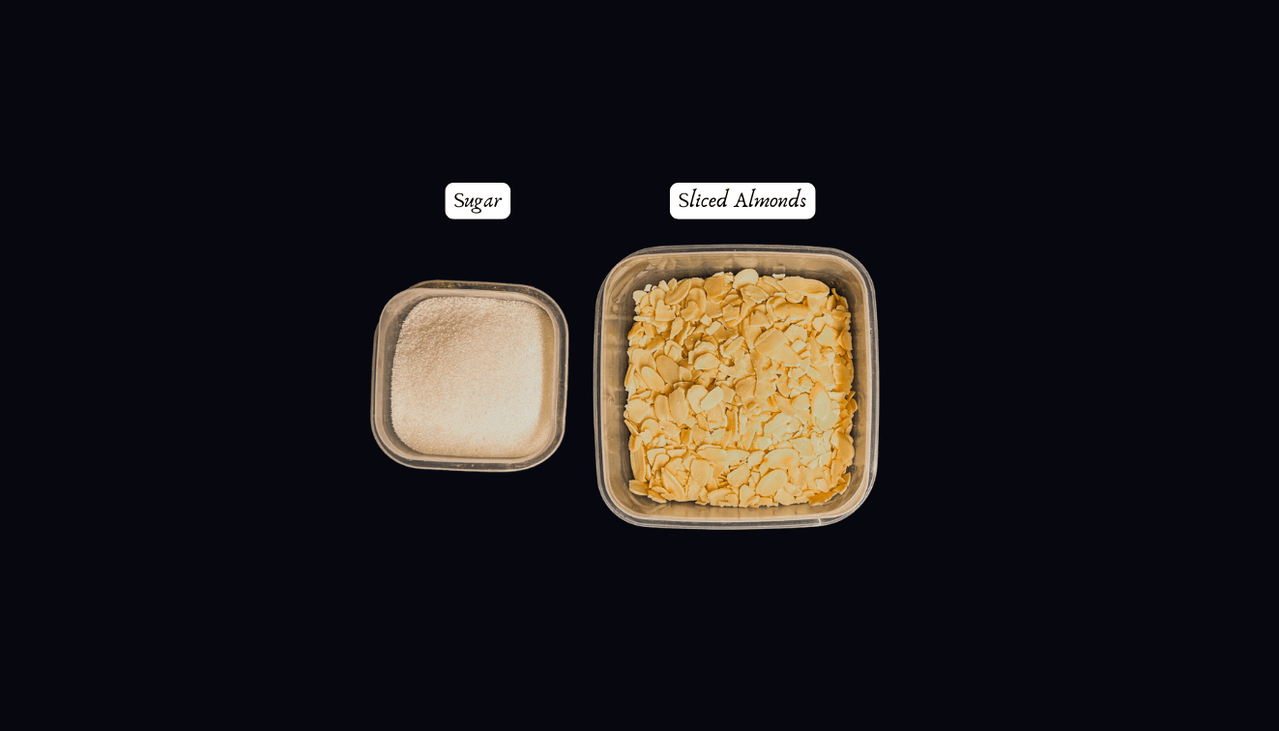
| Ingredient | Amount |
|---|---|
| Sugar | 100g |
| Slivered Almonds (blanched) | 100g |
- For general-purpose praline (e.g., shards, powder, or paste) → stick with 1:1.
- For a more refined, less sweet paste (especially when used in creams or ganaches) → use 1:1.5 to 1:2.
- For hard candy-like brittle with long shelf life and a glossy finish → go with 2:1.
Equipments:
- Heavy-bottomed stainless steel or copper saucepan
- Heat-resistant silicone spatula
- Sheet pan lined with silicone mat or lightly greased parchment
- Instant-read thermometer (optional but helpful)
- Food processor or blender (for praline paste)
Time:
| Task | Time |
|---|---|
| Caramelizing | 10 min |
| Combining & Spreading | 2 min |
| Cooling | 10 min |
| Total Time | ~20 min |
Instructions:
Make the Dry Caramel
- Heat a clean, dry heavy-bottomed saucepan over medium heat.
- Sprinkle in ⅓ of the sugar. Allow it to melt undisturbed.
- Once melted, gradually add the next third of sugar, swirling the pan (do not stir).
- Repeat with final third, gently swirling to achieve an even amber caramel.

Add the Almond
- Once caramel is amber and fluid, add blanched slivered almonds quickly.
Stir immediately with a silicone spatula to coat almonds evenly. - Pour onto prepared sheet pan and spread out thinly with spatula.

Cool and Shatter
- Let cool completely at room temperature (10–15 minutes).
- Once hardened, break into shards or grind to a fine powder/paste if desired.

Variations
Hazelnut Praline: Replace almonds with roasted hazelnuts.
Sesame Praline: Use white sesame seeds for a delicate brittle.
Spiced Praline: Add a pinch of cinnamon or cardamom to the caramel before almonds.
Salted Praline: Add fleur de sel or smoked sea salt after spreading.
Serving Suggestions
Break into glassy shards to top cakes, entremets, or plated desserts.
Grind into praline powder for sprinkling over semifreddo or mousse.
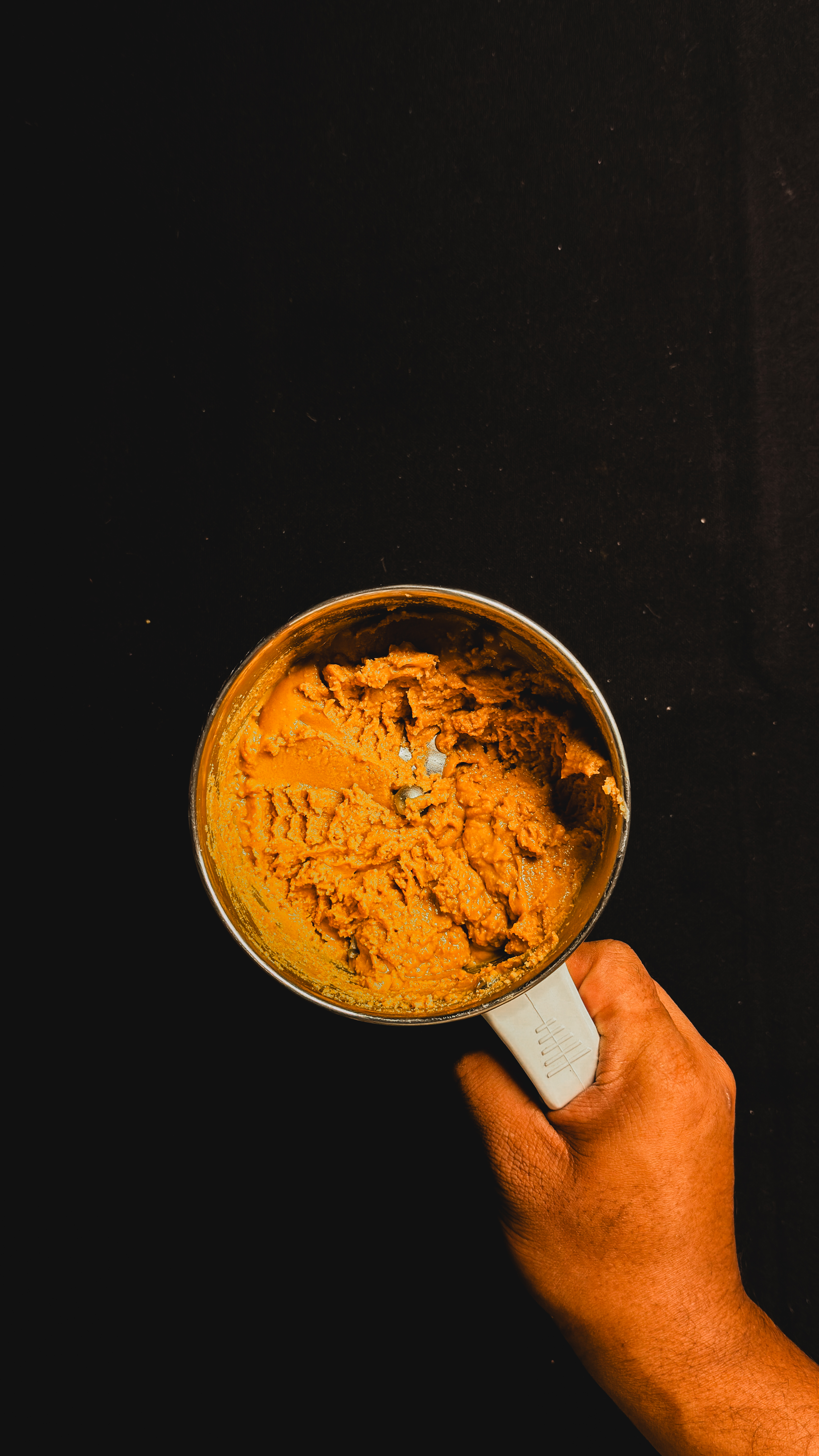
Blend into praline paste (add a few grams of neutral oil if needed) for use in Paris-Brest, bonbons, or buttercreams.
Fold shards into ice cream bases before churning for a nutty crunch.
Nutrition Profile / 100g
| Nutrient | Amount |
|---|---|
| Energy | 511 kcal |
| Protein | 10.1 g |
| Fat | 30.8 g |
| – Saturated | 2.4 g |
| Carbohydrates | 49.3 g |
| – Sugars | 48.7 g |
| Fiber | 5.6 g |
| Salt | 0.01 g |
Note: These values are approximate and can vary based on the specific brands and types of ingredients used, as well as portion sizes.
Tips for Best Results:
- Pre-toast nuts lightly for deeper flavor.
- Use a heavy-bottomed pan for even caramelization.
- Avoid stirring the caramel with a utensil until all sugar is melted — swirl instead.
- Pre-warming nuts in the oven (5 min at 140°C) helps prevent crystallization when added to caramel.
- If sugar clumps, lower heat and let it remelt gently.
- Use blanched nuts to prevent bitterness from skins and ensure clean praline paste.
- For finer praline paste, blend while still slightly warm.

Troubleshooting Guide:
| Problem | Likely Cause & Solution |
|---|---|
| Caramel crystallizes | Pan not clean/dry; stirred too early |
| Bitter or burnt flavor | Caramel overheated (>180°C) |
| Greasy praline paste | Over-processed; add stabilizer or chill |
| Clumpy almond coating | Caramel cooled too much before adding nuts |
| Praline is too thick/hard | Spread thinner while hot; reheat briefly if needed |
Don’t forget to share your results and tag @bake.hows on instagram
