
Australia’s national cake
Squares of light vanilla butter sponge dipped in a glossy chocolate icing and rolled in desiccated coconut — a soft, moist crumb encased in a delicately crisp shell. This recipe produces a classic plain lamington with three distinct components: a vanilla butter sponge base, a pourable chocolate dip, and a desiccated coconut coat. Suited for serious home bakers and culinary professionals seeking a technically grounded, reproducible reference for this Southern Hemisphere classic.

Culturally & Historically,
the lamington is widely regarded as Australia’s national cake. Its most cited origin attributes the confection to the cook of Lord Lamington, Governor of Queensland from 1896 to 1901 — reportedly improvised from leftover sponge cake. The recipe has since become a fixture of Australian domestic baking, school fundraisers, and national food culture, celebrated annually on National Lamington Day (21 July).
What you will need:
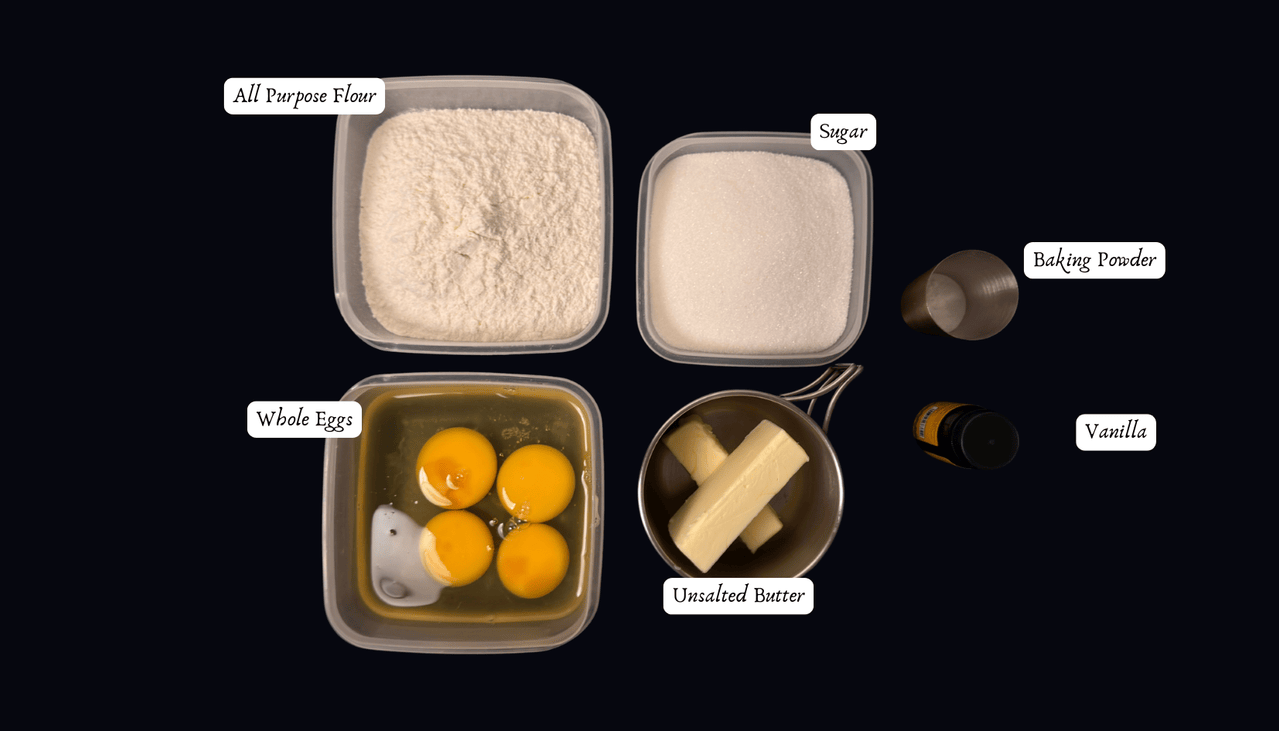
Component 1 — Vanilla Butter Sponge Base
| Ingredient | Quantity (g) |
|---|---|
| Caster sugar | 200 |
| Melted unsalted butter | 100 |
| Whole eggs | 180 |
| Plain flour | 200 |
| Baking powder | 4 |
| Vanilla extract | 4 |
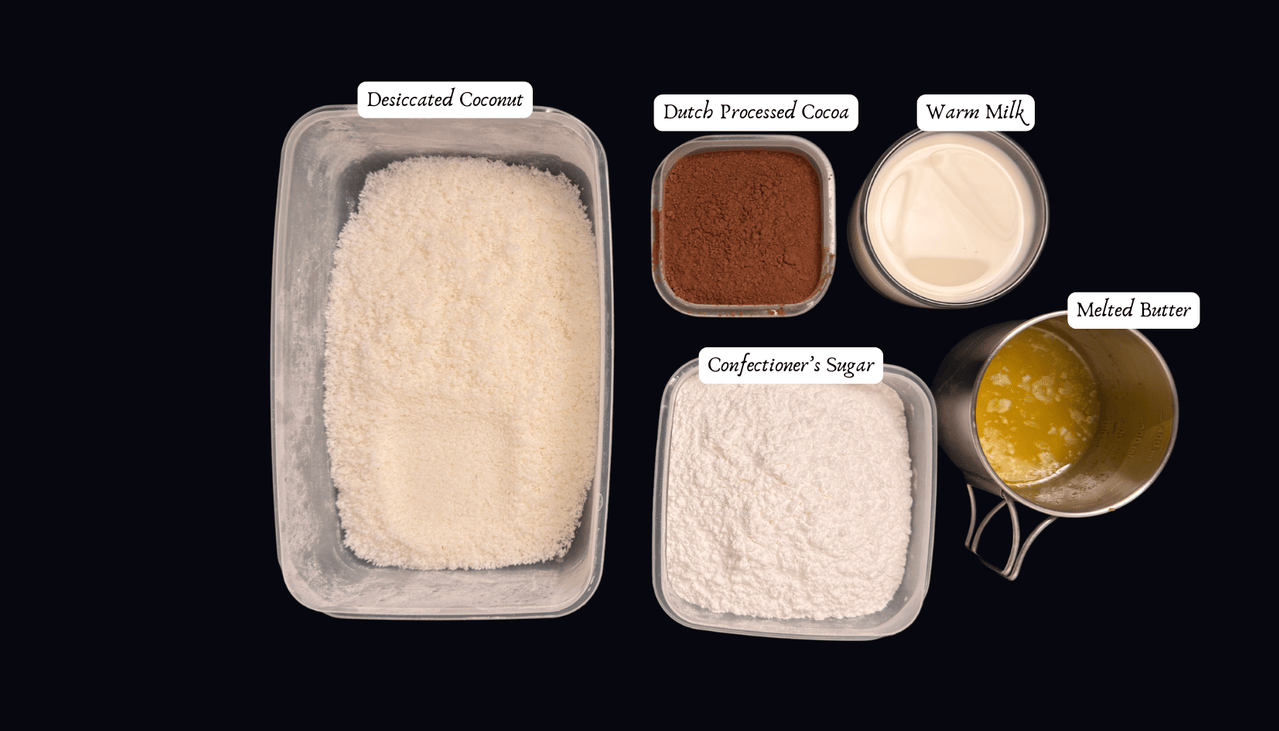
Component 2 — Chocolate Dip
| Ingredient | Quantity (g) |
|---|---|
| Powdered (icing) sugar | 290 |
| Whole milk | 160 |
| Unsweetened cocoa powder | 45 |
| Melted unsalted butter | 50 |
| Salt | A pinch |
Component 3 — Coconut Coat
| Ingredient | Quantity (g) |
|---|---|
| Desiccated coconut | 200 |
Equipments:
- 7 × 7 inch (18 × 18 cm) square baking tin
- Parchment paper
- Stand mixer or hand mixer with whisk attachment
- Large mixing bowl
- Fine-mesh sieve
- Rubber spatula
- Small saucepan
- Wire cooling rack
- Two shallow bowls or trays (for dipping and coating)
- Fork or dipping tool
- Digital probe thermometer
- Serrated knife
Parameters:
| Preparation Time | 25 minutes |
| Cooking Time | 25 minutes |
| Total Time | 50 minutes + 2–3 hours resting/chilling |
| Yield | 13 pieces |
| Tray Size | 7 × 7 inch (18 × 18 cm) square |
| Difficulty | Intermediate |
| Course | Confection / Afternoon Tea |
| Cuisine | Australian |
Instructions:
Component 1 — Vanilla Butter Sponge Base
Preparation
- Preheat oven to 170 °C (fan-forced) or 180 °C (conventional).
- Grease the tin and line with parchment paper, leaving an overhang on two sides.
- Sift flour and baking powder together and set aside.

Batter
- Whisk whole eggs and caster sugar in a stand mixer on high speed for 6–8 minutes until pale, thick, and falling in a wide ribbon from the whisk — the ruban stage. The mixture should nearly triple in volume.
- Add vanilla extract/essence and mix briefly to combine.
- Sift the flour and baking powder over the egg foam in two additions, folding gently with a rubber spatula using a wide, bottom-to-top motion to preserve aeration.
- Stream in cooled melted butter along the edge of the bowl and fold until just incorporated.

Baking
- Pour batter into the prepared tin, spread level, and bake at 170 °C (fan) for 22–25 minutes until golden and a skewer inserted in the centre emerges clean.
- Cool in the tin for 10 minutes, then turn out onto a wire rack and cool completely.
- Wrap in plastic wrap and refrigerate for a minimum of 2 hours before cutting — a chilled sponge resists crumbling during dipping.
- Using a serrated knife, trim the edges and cut into 13 even rectangular pieces.

Component 2 — Chocolate Dip
- Warm milk in a saucepan to approximately 60–65 °C.
- Whisk warm milk and melted butter, and sift cocoa powder and icing sugar over it
- Whisk vigorously until smooth and glossy.
- Add salt and whisk to combine.
- Adjust consistency: if too thick, add warm milk in 10 ml increments; if too thin, add sifted icing sugar in 10 g increments.
- Keep the dip warm over a bain-marie throughout the dipping process, if the room temperature is colder.

Final Assembly
- Spread desiccated coconut in an even layer in a shallow tray.
- Working one piece at a time, place a chilled sponge square on a fork or dipping tool and submerge in the warm chocolate dip, turning to coat all six sides evenly.
- Lift and allow excess icing to drain for 3–5 seconds.
- Transfer immediately to the coconut tray and roll or press gently on all sides to adhere the coconut coat.
- Place on a wire rack/baking tray and allow to set at room temperature for 30–45 minutes. Repeat for all pieces, rewarming the dip as needed.
- Store in an airtight container at room temperature for up to 2 days, or refrigerate for up to 4 days.


Try these!
- Cream-filled — Slice horizontally and fill with lightly sweetened whipped cream before dipping.
- Jam and cream — Fill with raspberry jam and whipped cream before dipping — a classic Australian occasion variant.
- Matcha — Replace cocoa with 20 g matcha powder and reduce icing sugar slightly to balance bitterness.
- Dark chocolate ganache — Replace the cocoa dip with a ganache made from 200 g 70% dark couverture and 150 g warm cream for a richer, glossier coat.
- Toasted coconut coat — Lightly toast desiccated coconut at 160 °C for 5–7 minutes for a nuttier finish.

Serving Suggestions
- Serve at room temperature for optimal texture — refrigeration firms the sponge and mutes the chocolate flavour.
- Pair with black tea, flat white, or cold brew coffee for a classic Australian afternoon tea presentation.
- For catering or event presentation, arrange on a tiered stand lined with parchment and garnish with toasted coconut flakes.

Applications
- Use cubes in brownie batter, cookies, or melt into ganache.
- Crumble into ice cream mix-ins or parfaits.
- Melt small pieces into fudge sauce with cream and butter.
Nutrition Profile / 100g
Approximate values per piece; based on yield of 13 pieces.
| Nutrient | Per Serving (1 piece) | Per 100 g |
|---|---|---|
| Energy | 318 kcal | 420 kcal |
| Protein | 3.5 g | 4.6 g |
| Carbohydrate | 42.0 g | 55.5 g |
| of which Sugars | 34.0 g | 44.9 g |
| Fat | 15.0 g | 19.8 g |
| of which Saturates | 10.5 g | 13.9 g |
| Sodium | 65 mg | 86 mg |
Note: These values are approximate and can vary based on the specific brands and types of ingredients used, as well as portion sizes.

Tips for Best Results:
Ruban stage: Extended whipping of eggs and sugar is the primary leavening mechanism in this butter sponge. Under-whipped eggs yield a dense, heavy crumb. (Gisslen, Professional Baking, 7th ed.)
- Melted butter sponge: This formula uses the génoise au beurre fondu method — melted butter folded into a whipped egg foam — producing a moist, tender crumb that withstands dipping without disintegrating. (Suas, Advanced Bread and Pastry)
- Refrigerating the sponge firms the crumb, reduces crumbling during handling, and allows the surface to absorb icing evenly without collapsing.
- Dutch-process cocoa produces a deeper, less astringent chocolate flavour and darker colour compared to natural cocoa.
- Maintaining the chocolate dip at 60–65 °C throughout ensures consistent viscosity and prevents premature setting that would stop the coconut adhering properly.

Troubleshooting Guide:
| Issue | Likely Cause | Fix |
|---|---|---|
| Sponge dense and heavy | Egg foam under-whipped; butter deflated foam | Whip to full ruban stage; fold butter slowly along bowl edge |
| Sponge crumbles during dipping | Not chilled; cut while warm | Refrigerate minimum 2 hours before cutting and dipping |
| Chocolate dip too thick | Excess icing sugar; milk cooled during dipping | Add warm milk in 10 ml increments; keep over bain-marie |
| Chocolate dip too thin | Insufficient icing sugar | Add sifted icing sugar in 10 g increments |
| Coconut does not adhere | Icing drained too long; dip too cool | Roll in coconut immediately after draining; rewarm dip |
| Sponge collapses in centre | Under-baked; oven temperature too low | Confirm skewer test; calibrate oven with thermometer |
| Icing appears dull or streaky | Cocoa not dissolved; milk not warm enough | Sift cocoa with icing sugar; use milk at 60–65 °C |
Don’t forget to share your results and tag @bake.hows on instagram
