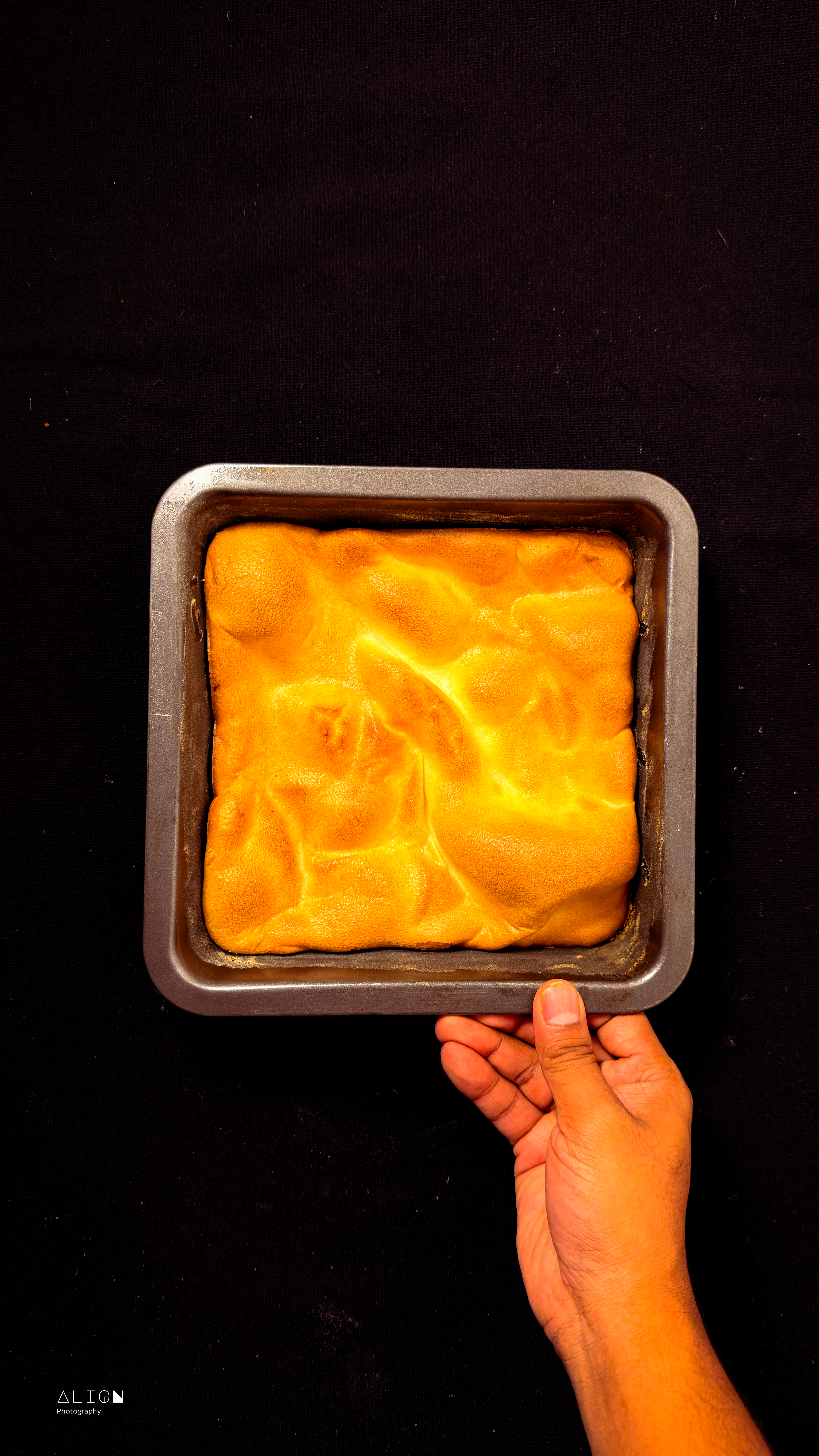
Tall, Crisp Puddings and Popovers
This yorkshire pudding recipe produces a batter with enough egg and liquid to climb the sides of a screaming hot tin, setting into crisp walls around a hollow, custardy base. It is the same batter, and very nearly the same technique, as an American popover

Yorkshire pudding dates to eighteenth century England, where it was known as dripping pudding and cooked beneath roasting meat so the batter caught the fat as it fell. It was traditionally served before the meat as a cheap first course to take the edge off everyone’s appetite. The popover is its American descendant, baked in a deep-welled tin and usually served with butter rather than gravy.
The physics is the same in both cases: a thin batter hitting very hot fat turns its water to steam faster than the gluten and egg can set, so the pudding inflates dramatically before the structure locks in place. Hot fat, hot oven, and a closed door are the whole method.
What you will need:
| Ingredient | Quantity |
| Whole Milk | 209g (203mL) |
| Eggs, whole | 146g (about 3 large eggs) |
| All-Purpose Flour | 107g |
| Salt | 1g |
| Butter, melted | 37g (about 30g in the batter, the rest for the tins) |

Equipments:
- Digital kitchen scale
- Blender or immersion blender
- Fine mesh sieve
- Jug with a pouring lip
- 6-well popover tin or deep muffin tin
- 9×9 inch (23cm) square baking pan
- Oven thermometer (recommended)
- Wire cooling rack
General Details:
Prep Time: 10 minutes, plus 30 minutes resting
Cook Time: 20-25 minutes for popovers, 25-30 minutes for the tray pudding
Total Time: 1 hour 10 minutes
Yield: 6 popovers from half the batter, plus one 9×9 inch tray pudding from the rest
Difficulty: Intermediate
Cuisine: British
Category: Side Dish
Storage: Best within minutes of baking. Keep for 1 day and re-crisp at 200°C for 5 minutes; freeze cooked puddings for 1 month and reheat from frozen.
Instructions:
Heat the Tins
- Preheat the oven to 220°C (425°F) with both tins inside.
- Brush the popover tin wells and the square pan with the reserved melted butter.
- Return the tins to the oven for 5-10 minutes until the fat is shimmering hot.
Prepare the Batter
- Blend the eggs, milk, and about 30g of the melted butter for 15-20 seconds, reserving the rest of the butter for the tins.
- Add the flour and salt, then blend again for 20 seconds until completely smooth.
- Strain the batter through a fine mesh sieve into a jug to catch any lumps.
- Rest for at least 30 minutes at room temperature, or overnight in the fridge.
- Skim off any foam before pouring.


Bake the Popovers
- Pour half the batter into the six hot wells, filling each about two thirds full.
- Bake at 220°C for 15 minutes without opening the door, then drop to 190°C for a further 5-10 minutes until deep brown and rigid.
- Pierce each popover with a skewer as it comes out to let the steam escape.

Bake the Tray Pudding
- Pour the remaining batter into the hot 9×9 inch pan in one go.
- Bake at 220°C for 20 minutes, then drop to 190°C for a further 5-10 minutes until the edges are dark and crisp and the centre is set.
- Cut into squares and serve immediately.

Serving Suggestions
- Serve the tray pudding with roast beef and plenty of onion gravy.
- Fill the popovers with rare roast beef and horseradish cream for a party bite.
- Serve popovers warm with salted butter and flaky salt, the American way.
More Variations
- Herb and Mustard – Whisk wholegrain mustard and chopped thyme into the batter for a sharper side.
- Gruyère Popovers – Add grated Gruyère and black pepper to the batter for a cheese popover.
- Toad in the Hole – Brown sausages in the hot square pan first, then pour the batter around them.
Nutrition Profile / 100g
| Nutrient | Amount |
| Calories | 233 kcal |
| Total Fat | 12.2 g |
| Saturated Fat | 6.5 g |
| Carbohydrates | 21.7 g |
| Sugars | 2.7 g |
| Protein | 8.6 g |
| Fiber | 0.7 g |
| Sodium | 153 mg |
Note: Calculated per 100g of baked pudding. Assumes about 15% moisture loss during baking and that all the butter in the formula, including the portion used for the tins, ends up in the finished puddings.
Approximate values based on recipe formula. Actual nutrition may vary.
Tips for Best Results:
Use a jug rather than a ladle, which lets you fill each hot well in seconds before the tin cools.
- Pierce popovers on the way out to release trapped steam, which is the main cause of soggy interiors.
- Do not open the oven door during the first 15 minutes, because escaping steam collapses the structure.
- Fill the popover wells only two thirds full, as overfilled wells spill and seal the pudding to the rim.

Troubleshooting Guide:
| Issue | Possible Cause | Fix |
| Puddings barely rise | Tin or fat not hot enough | Heat the tins with the oven and get the fat shimmering before pouring |
| Puddings collapse on cooling | Walls still damp when removed | Finish the lower-temperature stage and pierce to vent steam |
| Soggy bottoms | Oven door opened early, or steam trapped in the tin | Keep the door shut 15 minutes; turn out onto a rack at once |
| Uneven heights across the tin | Wells filled at different speeds or amounts | Pour from a jug and fill each well two thirds |
| Dense, eggy texture | Batter not rested, or lumps left in | Blend smooth, strain, then rest a full 30 minutes |
| Foam on top of the batter | Air whipped in during blending | Rest the batter and skim before pouring |
| Batter overflows the wells | Overfilled | Use two thirds fill and bake the surplus in the tray |
| Pale, soft walls | Oven running cool | Verify with an oven thermometer and start at a true 220°C |

Snapshot Recipe
| Preheat oven to 220°C (425°F) with both tins inside | |||||
| Brush the hot tins with the reserved melted butter | |||||
| Eggs | blend 15-20 s | blend 20 s | strain rest 30 min | pour half and half | bake 220°C 15-20 min then 190°C 5-10 min |
| Whole Milk | |||||
| Butter, melted | |||||
| All-Purpose Flour | |||||
| Salt | |||||
| Hot Buttered Tins | |||||
You Might Also Like
- Classic French Custard Cherry Bake
- Classic Puffed German Pancake
- Classic Spiced Peach Cobbler with Flaky Biscuit Topping
Don’t forget to share your results and tag @bake.hows on instagram
