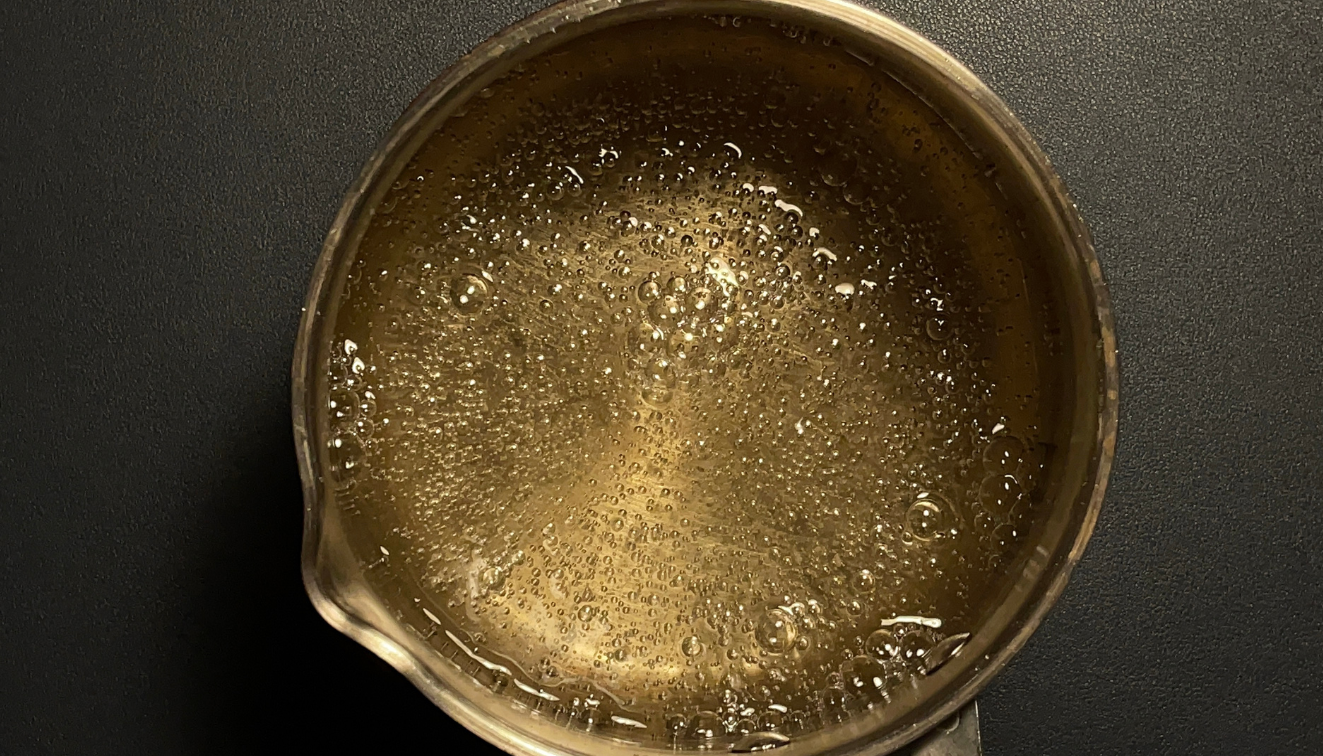
Invert sugar is a liquid sweetener made by hydrolyzing sucrose into its component monosaccharides: glucose and fructose. This process, known as inversion, creates a sweeter, more hygroscopic product than regular table sugar. It plays a pivotal role in professional baking, pastry making, and confectionery due to its unique properties.
Invert sugar is an indispensable ingredient in modern pastry and confectionery, providing both technical and sensory advantages. Mastering its preparation and application opens up a world of possibilities for chefs, bakers, and food enthusiasts, ensuring consistently professional results.
Fun fact: Invert sugar occurs naturally in honey, which is why honey doesn’t crystallize easily.
Significance in Pastry and Confectionery
Invert sugar is a cornerstone ingredient for its ability to improve the texture, shelf life, and overall quality of baked goods and sweets. Its key advantages include:
Sweetness Enhancement: Fructose is sweeter than sucrose, allowing for reduced quantities in some recipes.
Moisture Retention: It retains water more effectively, prolonging the freshness of cakes, cookies, and bread.
Crystallization Control: Prevents recrystallization in syrups, caramels, and ice creams, leading to smoother textures.
Improved Freezing Point: Its presence lowers the freezing point, ensuring a creamy texture in ice creams and sorbets.
Science Corner
The “inversion” of sugar occurs through enzymatic or acid hydrolysis.
Here’s how it works:
Sucrose (C₁₂H₂₂O₁₁) splits into glucose and fructose when exposed to heat, water, and an acid or enzyme (e.g., citric acid or invertase enzyme).
The reaction not only enhances sweetness (fructose is significantly sweeter than sucrose) but also reduces the crystallization tendency of sugar, making it an essential tool for smooth and stable desserts.
The chemical balance between glucose and fructose is what gives invert sugar its signature properties: high sweetness, excellent moisture retention, and stability.
What you will need:

| Ingredient | Measure |
| Granulated Sugar | 1 kg |
| Water | 400g |
| Acid (Cream of tartar) | 1/4 tsp |
Equipments:
- Digital Scale
- Measuring spoons
- Medium saucepan
- Candy thermometer
- Heat-resistant spatula
- Airtight container for storage
Instructions:
- Combine Ingredients: Add sugar, water, and cream of tartar to the saucepan.
- Heat Gently: Stir over low heat until the sugar dissolves completely.
- Bring to Temperature: Increase the heat and cook the mixture to 114°C, monitoring with a candy thermometer.
- Cool: Remove from heat and cool slightly.
- Strain and Store: Strain the liquid into an airtight container and store in a cool, dark place for up to six months.

What is or are the USP of this technique?
Invert sugar’s USP lies in its multifunctionality:
- Enhances Flavor: Contributes to a smoother, balanced sweetness.
- Prevents Staling: Extends the shelf life of baked goods by retaining moisture.
- Improves Structure: Promotes even browning and a fine crumb texture.
- Versatility: Applicable across diverse culinary disciplines, from bread-making to high-end confectionery.

Applications in the Kitchen
- Pastry Arts: For moist cakes, fudgy brownies, and glossy glazes.
- Ice Cream Production: Preventing crystallization and maintaining smooth textures.
- Confectionery: Creating non-gritty caramel, marshmallows, and fudge.
- Bread Baking: Enhancing softness and prolonging shelf life.

Further Applications
Glazes: Mix invert sugar with fruit purees for a shiny glaze.
Soft Candy: Use it as a primary ingredient for smooth-textured candies.
Enhanced Syrups: Combine with flavoring agents for ice cream toppings.
My Tips:
- Measure Precisely: Even small deviations in the acid-to-sugar ratio can affect the final product.
- Batch Testing: Make small batches to perfect your technique before scaling up.
- Temperature Mastery: Accurate temperature control is critical for consistency.
- Substitutions: Use 2g of citric acid or 10ml of lemon juice as an alternative acid.
Troubleshooting Guide:
Crystallization During Cooking
Problem: Undissolved sugar causes grains to form.
Solution: Stir thoroughly until sugar is fully dissolved before increasing heat.
Burning or Overdarkening
Problem: Overheating the mixture.
Solution: Use low, steady heat and monitor the temperature precisely.
Sour Taste
Problem: Excessive acid or inadequate neutralization.
Solution: Adjust acidity with a small amount of baking soda post-cooking.
Short Selflife
Problem: Contamination or improper storage.
Solution: Use sterilized equipment and store in an airtight container.
Don’t forget to share your results and tag @bake.hows on instagram


